About Blindness and Low Vision
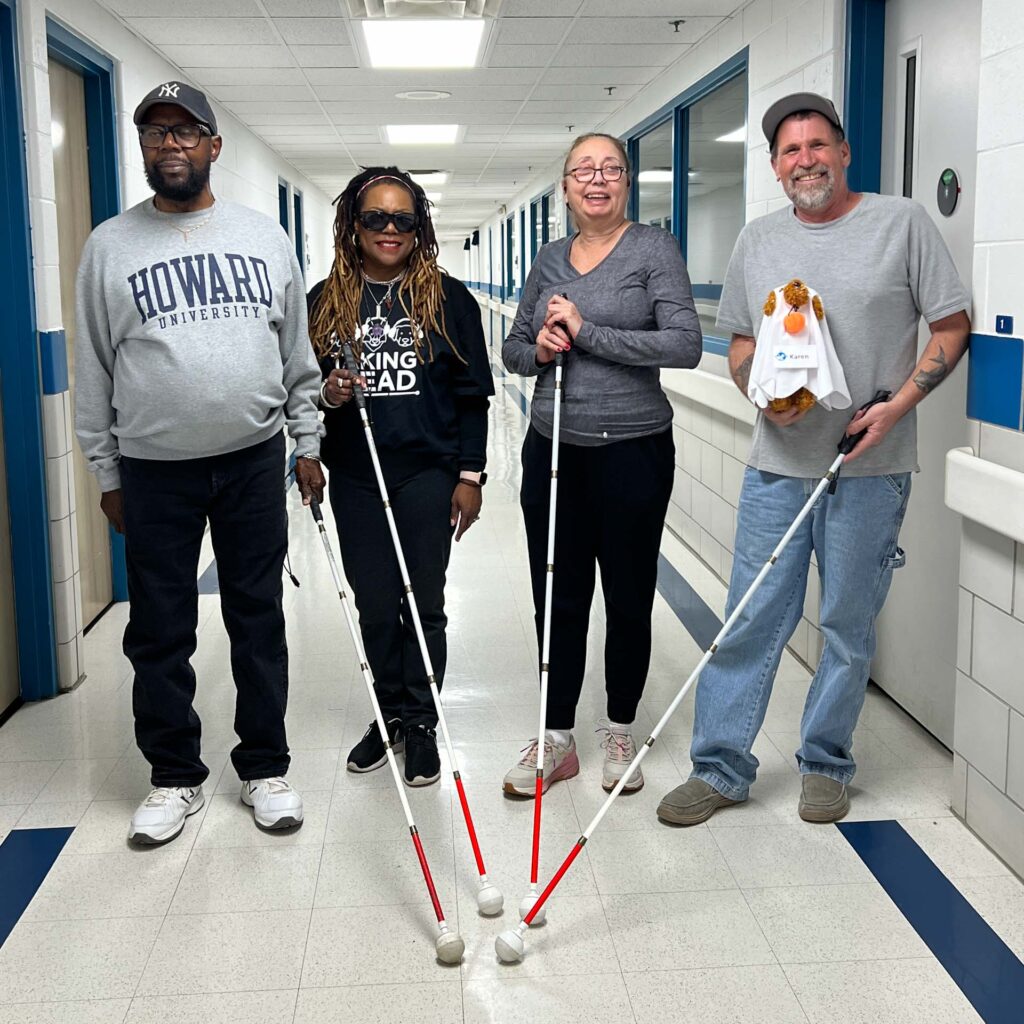
What is Blindness & Low Vision?
Vision loss represents a broad spectrum ranging from minor visual impairment to the complete inability to see. Vision loss results from varying underlying causes and can significantly impact daily living. According to the World Health Organization (WHO), globally more than 2 billion people have a vision impairment, almost half of which could have been prevented or addressed.
These key terms are often used to classify the level of vision loss:
Total Blindness
Total Blindness occurs when there is a complete lack of light perception. People with Total Blindness are unable to see anything, including light and shadows. Although people often think of total blindness when they hear the term “blind,” most people with significant vision loss have some level of light, shadow, or shape perception or some residual vision.
Legal Blindness
Legal Blindness is a term applied to vision that is severely impaired but not completely absent. In the US, Legal Blindness is when an individual has a central visual acuity of 20/200 or worse in the better-seeing eye with the best correction (using glasses or contacts) or has a visual field of twenty degrees or less in the better-seeing eye (a significantly reduced field is often referred to as tunnel vision).
Low Vision
Low Vision defines significant vision loss that does not meet the threshold of legal blindness but where eyeglasses, contact lenses, or surgery cannot fully correct vision. Based on acuity, Low Vision may be categorized as moderate or severe.
Various terms are also used to describe the type of vision loss, some of which include:
Cortical Blindness
Damage to the brain’s occipital cortex, where visual processing occurs, is called Cortical Blindness (versus damage to the eyes). Vision loss can be complete or partial.
Color Blindness
People with Color Blindness cannot distinguish some colors, often red, green, yellow, and blue. Color Vision Deficiency, or Total Color Blindness, is a rare condition in which everything is perceived in shades of gray.
Night Blindness (Nyctalopia)
Night Blindness is the inability to see well in low light or darkness and results from a retinal cell disorder that reduces one’s ability to see at night or in dim light.
The onset of vision loss is also described by terms such as:
Congenital Blindness
Blindness that occurs at birth or shortly afterward is called Congenital Blindness. This type of blindness of often the result of genetic factors, developmental issues, prenatal infection, or other causes.
Acquired Blindness
Acquired Blindness is vision loss that occurs after birth, which can result from an injury, disease, or other medical condition. Vision loss can occur suddenly due to some trauma or develop gradually through diseases such as diabetic retinopathy, age-related macular degeneration, and untreated cataracts.
Vision loss can profoundly impact an individual’s confidence, safety, independence, and quality of life, including adverse impacts across all Social Determinants of Health. Significant vision loss can also impact one’s ability to engage in activities, leading to a diminished lifestyle, isolation, and increased rates of anxiety and depression..
Vision Rehabilitation Offers Hope
Vision Rehabilitation and related programs and services provide tremendous hope for people living with blindness and low vision.
Written by VisionServe Alliance.
Ready to Learn, Support, or Make a Difference?
-
Apply to a Program
Learn the skills for safe, independent travel and lead a life without limits — all at no cost.
-
Donate
Since we receive zero government funding or insurance money, we rely 100% on the generosity of donors like you.
-
Volunteer
Every day, we rely on the support from our community of volunteers, made up of people just like you who make our mission possible.
The deadline is almost here!
Don’t miss this chance to have twice the impact
Your gift by September 30 will be matched, dollar for dollar, up to $105,000 to help prepare the next class of Leader Dogs.
Double Your Impact for the Next Class of Leader Dogs!
Thanks to our friends at AAA – The Auto Club Group and Coastal Pet Products, every donation made now through September 30 will be matched, up to $105,000.
This means your gift will have TWICE the impact, helping prepare the Leader Dog Class of 2027 with the expert care, training and instruction they need.
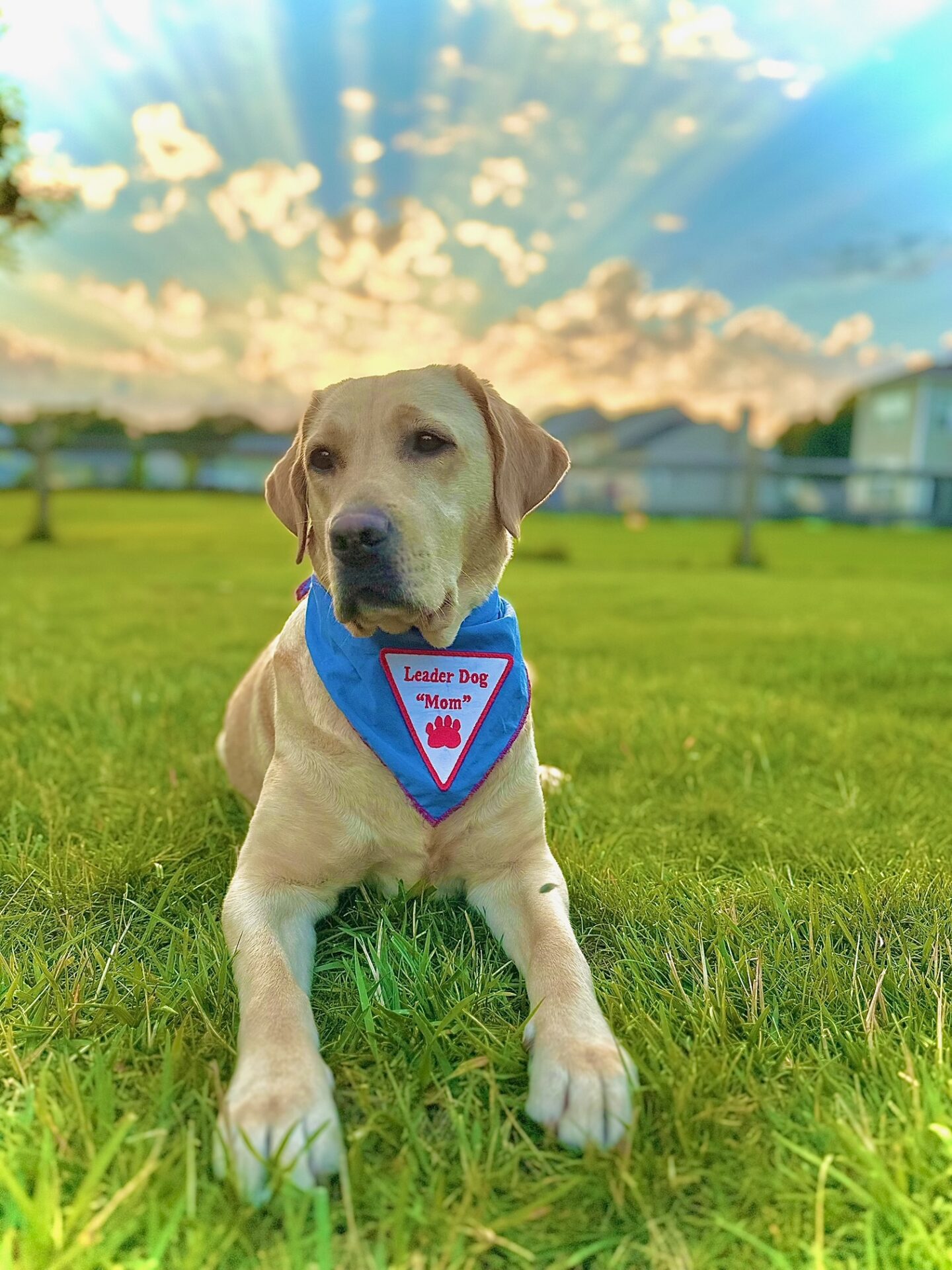
Meet The Moms
Learn More About Becoming A Breeding Host
A free, open house-style “Meet the Moms” event for people interested in learning more about being a breeding host for a Leader Dog mom! Meet Leader Dog moms, volunteer breeding hosts, Leader Dog moms ready to go home and learn more about hosting a Leader Dog mom in your home.
When: Saturday, October 10 from 2 to 4 p.m.
Where: Leader Dog’s Campus (1039 S. Rochester Rd., Rochester Hills, MI 48307)
No registration needed, we hope to see you there!

Family, Friends and Supporters for the Blind
Join Us Monday, Sept 14 for a Virtual Group Meeting
Interested in learning more about blindness? Join our virtual group meeting to learn from others, build understanding, and discover ways to provide meaningful support to people who are blind or have low vision.
LAST CHANCE to take advantage of our Matching Gift Challenge
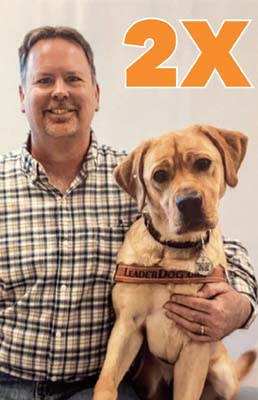
Support our $60,000 Matching Gift Challenge and have your gift DOUBLED!
Join Us For Dinner in the Dark!
Presented by AAA The Auto Club Group - March 20, 2026
Our signature fundraiser will take place at the Palazzo Grande in Shelby Township, MI. Every dollar raised supports life-changing programs at no cost to our clients, empowering people who are blind or low vision to live independent, confident lives.
The evening includes a family style dinner, an open bar, hors d'oeuvres, an ice cream and cannoli platter, an espresso station, and on-location parking.
A New Issue of the Faithful Friends Newsletter Is Out!
In our latest Faithful Friends newsletter, we highlight ways we are helping Leader Dog clients — and we invite you to learn how you can make a difference.