Blindness Awareness Month: Understanding Vision Loss and the Power of Independence
 What is Blindness Awareness Month?
October is Blindness Awareness Month, a time dedicated to raising awareness about vision loss and promoting greater understanding and accessibility. Approximately 285 million people are visually impaired worldwide, 1.3 million people are legally blind in the U.S., and 75,000 people become blind each year in the U.S. alone. However, only 10% of the blind or low vision population can travel independently.
These numbers underscore the importance of empowering people who are blind or low vision to learn the skills they need for safe and independent daily travel. The programs at Leader Dogs for the Blind are free of charge to clients and provide the skills and tools needed for safe travel.
In January of 2002 Leader Dog started our very own Orientation and Mobility program to help individuals increase skills and meet their goals of traveling independently whether that be with a white cane or with a guide dog. One of the best parts about our program is that you do not have to be interested in a guide dog to participate.
What is Orientation and Mobility (O&M)?
Let’s take a step back and understand what orientation and mobility is. O&M is typically what someone is referring to when they talk about white cane instruction. But let’s continue to break this down even further.
Orientation is knowing where you are in space or in relation to other people and objects. So, when we are talking about orientation when working with someone who is low vision, we are referring to the individual knowing where they are, where they are going and how they are going to get there. Orientation is important because when traveling from point A to point B it’s crucial that the traveler must always know where they are within the route so they can anticipate their next move and get to the correct destination.
Mobility focuses on the action of moving through space safely. Physically navigating the environment and getting from point A to point B safely with whatever tools necessary.
To summarize, orientation and mobility is knowing where you are in space while maneuvering through the environment safely, typically with the help of a long white cane.

The Long White Cane: More Than Just a Tool
October 15 also marks White Cane Safety Day! A day to showcase the white cane and its significance to those who are blind or have low vision.
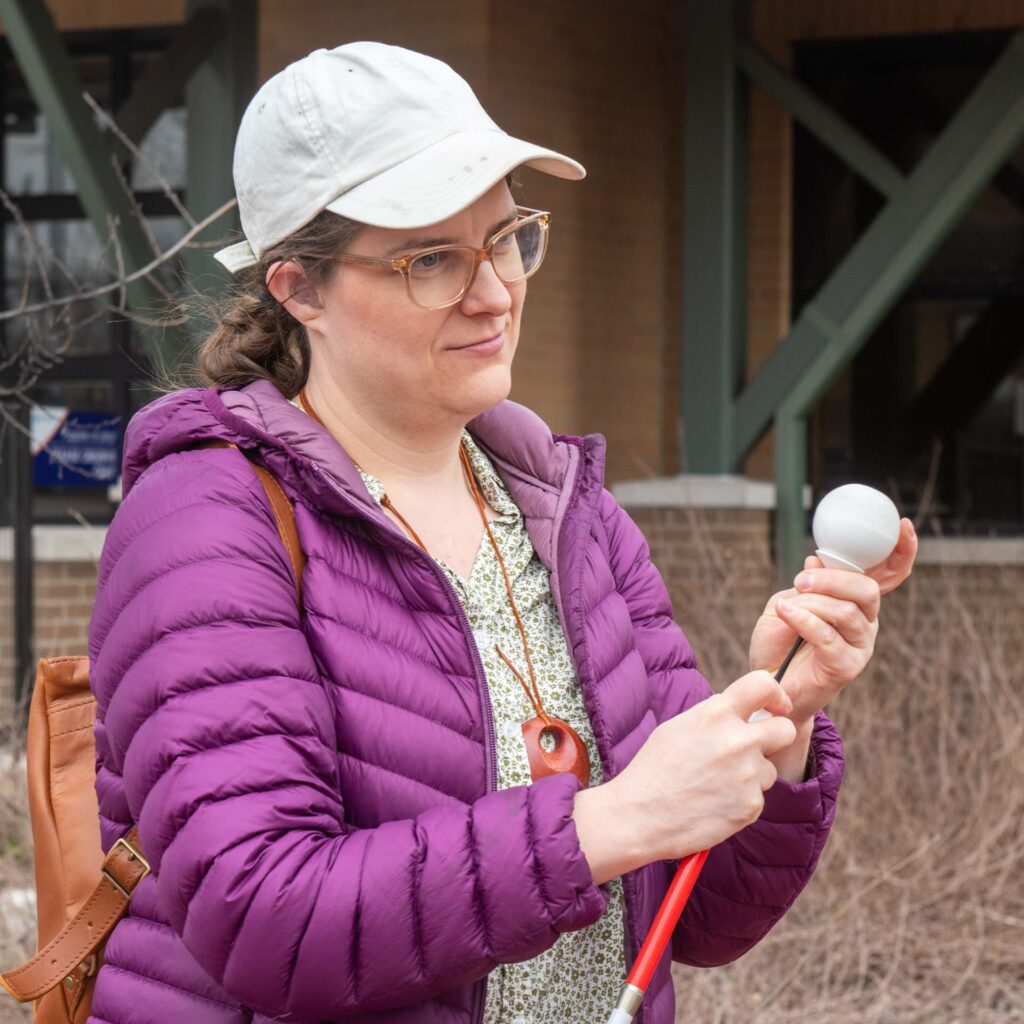
The long white cane is a mobility tool to help people navigate the environment safely. This cane is thought to be an extension of the user’s body and interprets the ground ahead by sweeping back and forth as the user walks. The cane will sometimes pop up or get stuck when it encounters a crack, this tells the user that they probably need to pick their feet up the next few steps to avoid tripping. The cane provides different sound feedback that helps the user interpret if it’s a large or small room, the cane also assists the user in identifying objects in the user’s path to notify them of an obstacle.
White canes can be rigid or folding, they can be made from different materials such as fiber glass or graphite and may have a variety of tips. We like to think of cane tips the same way we think about shoes. You probably wouldn’t wear hiking boots to the beach, or flip flops on a hike. It’s the same with cane tips; one cane tip may be more appropriate for a certain environment than another. Typically, cane tips can be switched out easily and are small enough to carry an extra if desired.
Another unique fact about the long white cane is that it is not a one-size-fits-all tool, a certified orientation and mobility specialist (COMS) will prescribe the correct cane length based on a client’s height and pace.
The long white cane is a very unique tool that, with practice, can be incredibly useful in traveling safely. People who travel with a long white cane can and do travel completely independently.
This Blindness Awareness Month, we encourage you to learn more about the experiences of people who are blind or low vision and consider how you can support greater independence and accessibility in your community.
How You Can Get Involved
There are several meaningful ways to support Leader Dog’s mission:
- Donate – Support our programs and services this Blindness Awareness Month.
- Be an Ambassador – Spread awareness and advocate for the low vision community
- Be a Puppy Raiser – Help train the next generation of guide dogs
- Be a Breeding Stock Host Family – Provide a loving home for dogs in the breeding program
Visit LeaderDog.org to learn more!
Written by Leslie Hoskins, COMS, outreach services and community engagement manager
Ready to Learn, Support, or Make a Difference?
-
Apply to a Program
Learn the skills for safe, independent travel and lead a life without limits — all at no cost.
-
Donate
Since we receive zero government funding or insurance money, we rely 100% on the generosity of donors like you.
-
Volunteer
Every day, we rely on the support from our community of volunteers, made up of people just like you who make our mission possible.
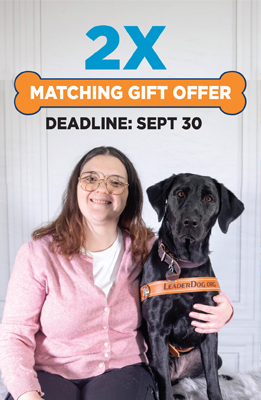
The deadline is almost here!
Don’t miss this chance to have twice the impact
Your gift by September 30 will be matched, dollar for dollar, up to $105,000 to help prepare the next class of Leader Dogs.
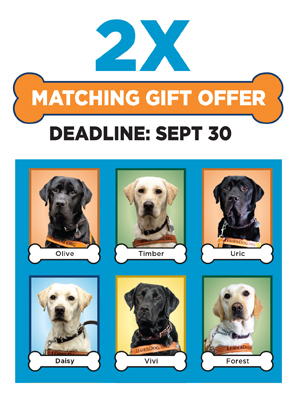
Double Your Impact for the Next Class of Leader Dogs!
Thanks to our friends at AAA – The Auto Club Group and Coastal Pet Products, every donation made now through September 30 will be matched, up to $105,000.
This means your gift will have TWICE the impact, helping prepare the Leader Dog Class of 2027 with the expert care, training and instruction they need.
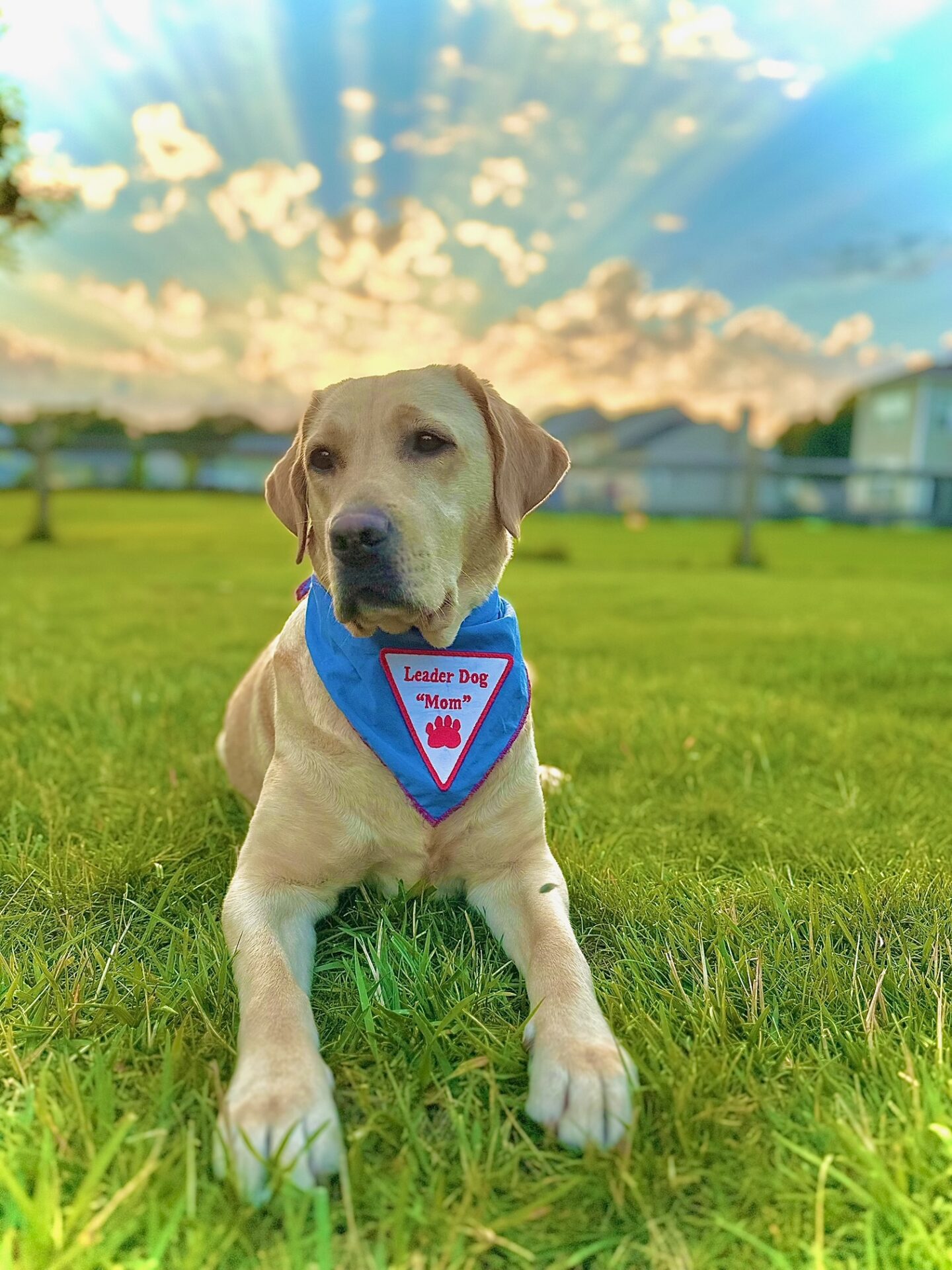
Meet The Moms
Learn More About Becoming A Breeding Host
A free, open house-style “Meet the Moms” event for people interested in learning more about being a breeding host for a Leader Dog mom! Meet Leader Dog moms, volunteer breeding hosts, Leader Dog moms ready to go home and learn more about hosting a Leader Dog mom in your home.
When: Saturday, October 10 from 2 to 4 p.m.
Where: Leader Dog’s Campus (1039 S. Rochester Rd., Rochester Hills, MI 48307)
No registration needed, we hope to see you there!

Family, Friends and Supporters for the Blind
Join Us Monday, Sept 14 for a Virtual Group Meeting
Interested in learning more about blindness? Join our virtual group meeting to learn from others, build understanding, and discover ways to provide meaningful support to people who are blind or have low vision.
LAST CHANCE to take advantage of our Matching Gift Challenge
Support our $60,000 Matching Gift Challenge and have your gift DOUBLED!
Join Us For Dinner in the Dark!
Presented by AAA The Auto Club Group - March 20, 2026
Our signature fundraiser will take place at the Palazzo Grande in Shelby Township, MI. Every dollar raised supports life-changing programs at no cost to our clients, empowering people who are blind or low vision to live independent, confident lives.
The evening includes a family style dinner, an open bar, hors d'oeuvres, an ice cream and cannoli platter, an espresso station, and on-location parking.

A New Issue of the Faithful Friends Newsletter Is Out!
In our latest Faithful Friends newsletter, we highlight ways we are helping Leader Dog clients — and we invite you to learn how you can make a difference.