Types of Support Animals
Service Dogs, Emotional Support Animals and Therapy Dogs: What's the Difference?
Dogs enrich our lives in many ways, but not all support animals serve the same purpose or share the same access. Service dogs, emotional support animals (ESAs) and therapy dogs each have unique roles, training requirements and legal protections.
Understanding the differences can help create greater awareness and respect for the important work these dogs do every day.
Why Understanding the Difference Matters
Confusion about support animals can create barriers for people who rely on service dogs to live, work and travel independently. Knowing the distinctions helps businesses and community members better understand the rights and responsibilities associated with each type of support animal.
Source: Americans with Disabilities Act (ADA).
Service Dogs
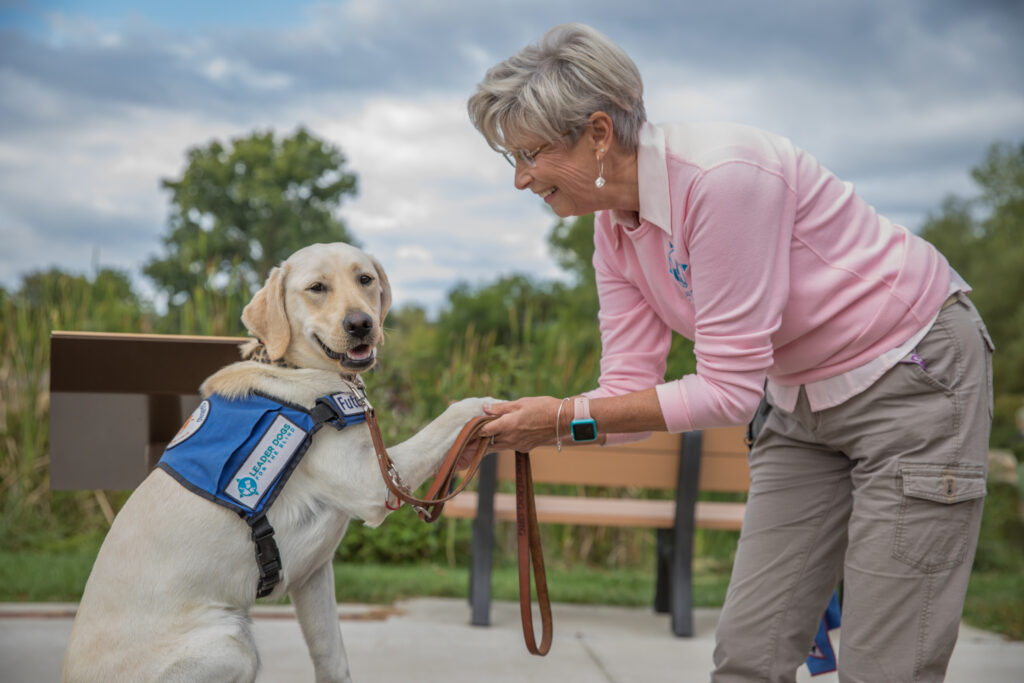
A service dog is specially trained to perform specific tasks or work for a person with a disability. These tasks directly relate to the individual’s disability and help them navigate daily life with greater independence.
Service dogs undergo extensive training and are expected to remain focused and well-behaved in a wide variety of environments. Because of the important work they perform, service dogs are protected under the Americans with Disabilities Act (ADA) and are generally permitted to accompany their handlers in public places where pets are not allowed. Service dogs may also live with their handlers, even in housing situations that have “no pets” policies.
Examples of service dogs include:
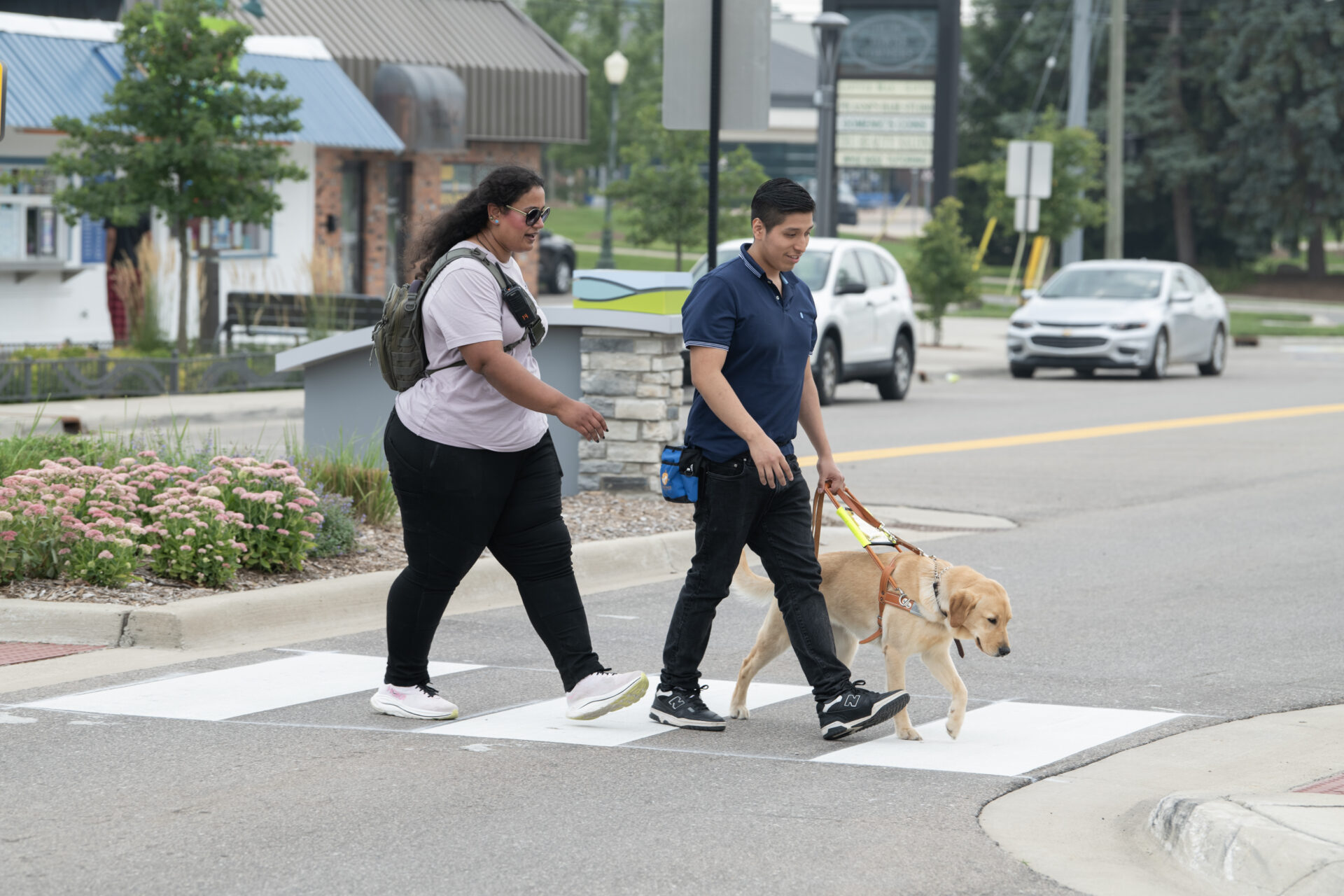
- Guide dogs for people who are blind or visually impaired
- Hearing dogs that alert handlers to important sounds
- Medical alert dogs that respond to seizures, diabetes or other health conditions
- Mobility assistance dogs that help with physical tasks
Therapy Dogs
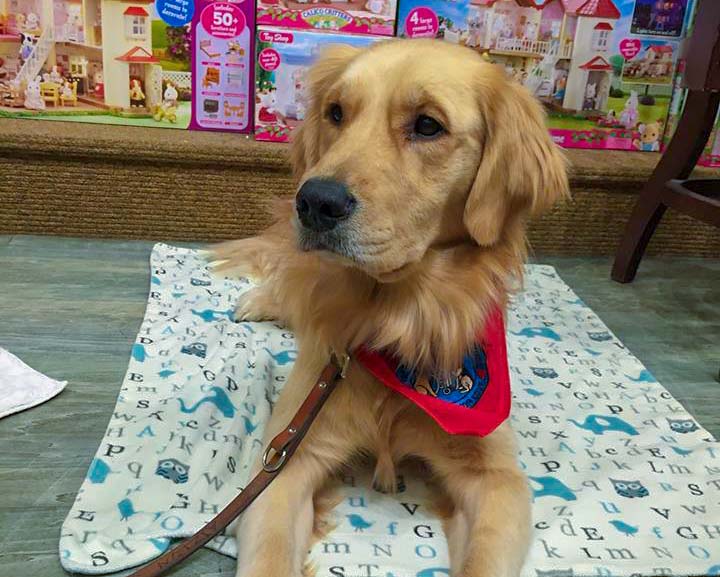
Therapy dogs are trained to interact safely and positively with many different people. Rather than supporting a single handler with a disability, these dogs provide comfort, companionship and emotional connection to others.
You may find therapy dogs visiting:
- Hospitals
- Schools
- Nursing homes
- Rehabilitation centers
- Community events
Therapy dogs can help reduce stress, provide emotional comfort and create meaningful moments of connection for the people they visit. While they receive specialized training and evaluations, therapy dogs are not considered service dogs and do not have the same legal access rights.
Emotional Support Animals
An emotional support animal, often called an ESA, provides comfort and emotional support to a person.
Unlike service dogs, emotional support animals are not trained to perform specific disability-related tasks. Their primary role is to offer companionship and help reduce symptoms associated with conditions such as anxiety and depression.
Because ESAs are not task-trained service animals, they do not have the same public access rights as service dogs. In most cases, emotional support animals are not allowed in restaurants, stores and other public places where pets are prohibited.

A Quick Comparison
| Service Dog | Therapy Dog | Emotional Support Animal | |
|---|---|---|---|
| Allowed by ADA law to accompany handler into public establishments | Yes | No | No |
| Needs to tolerate a wide variety of experiences, environments and people | Yes | Yes | No |
| May live with their disabled owner, even if “no pets” policy in place | Yes | No | Yes |
| Specifically trained to assist just one person | Yes | No | No |
| Primary function is to provide emotional support, through companionship | No | No | Yes |
| Provides emotional support and comfort to many people | No | Yes | No |
Ready to Learn, Support, or Make a Difference?
-
Apply to a Program
Learn the skills for safe, independent travel and lead a life without limits — all at no cost.
-
Donate
Since we receive zero government funding or insurance money, we rely 100% on the generosity of donors like you.
-
Volunteer
Every day, we rely on the support from our community of volunteers, made up of people just like you who make our mission possible.
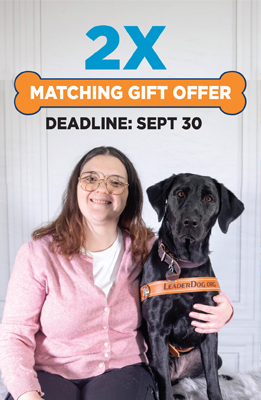
The deadline is almost here!
Don’t miss this chance to have twice the impact
Your gift by September 30 will be matched, dollar for dollar, up to $105,000 to help prepare the next class of Leader Dogs.

Double Your Impact for the Next Class of Leader Dogs!
Thanks to our friends at AAA – The Auto Club Group and Coastal Pet Products, every donation made now through September 30 will be matched, up to $105,000.
This means your gift will have TWICE the impact, helping prepare the Leader Dog Class of 2027 with the expert care, training and instruction they need.
Meet The Moms
Learn More About Becoming A Breeding Host
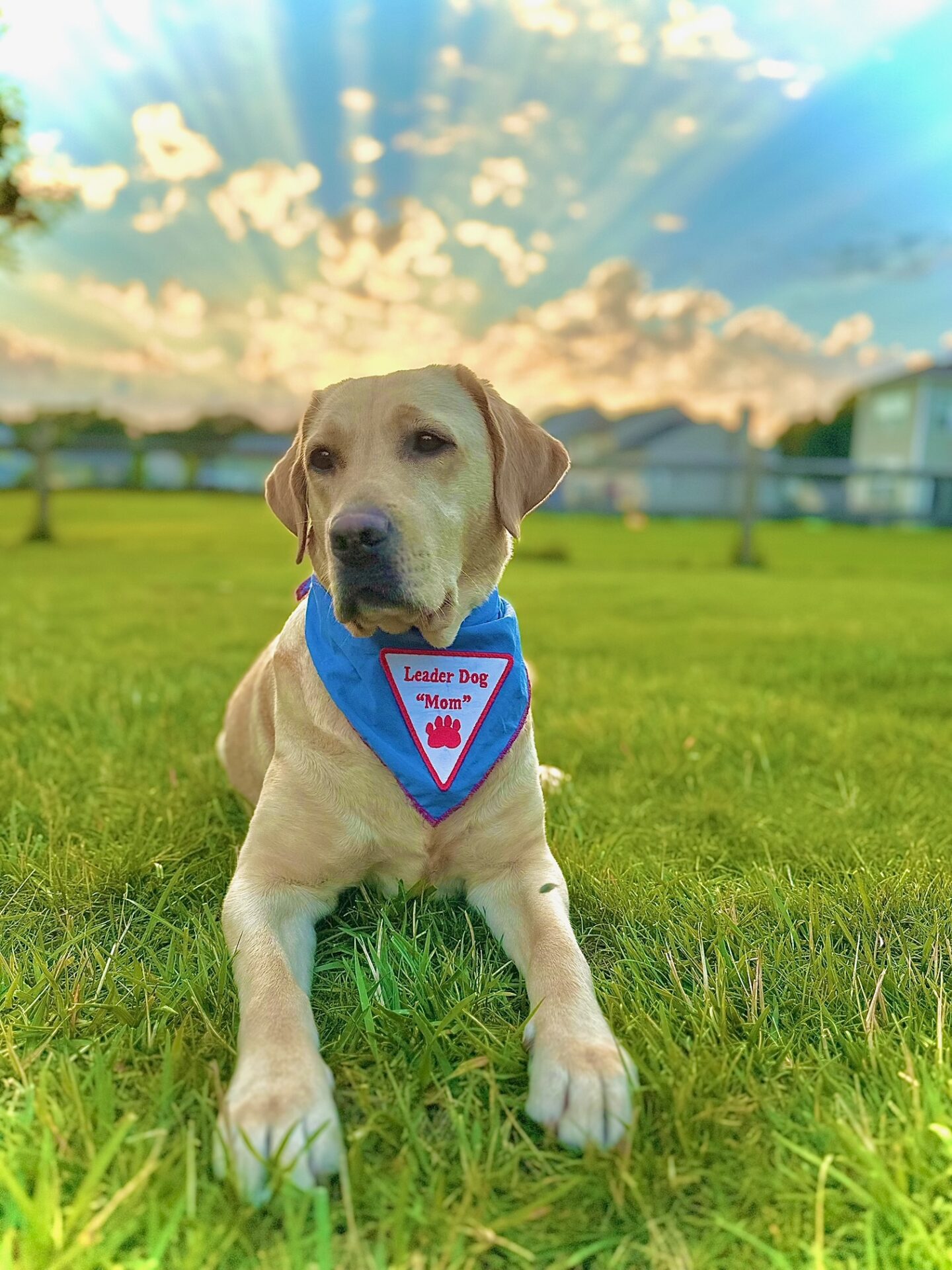
A free, open house-style “Meet the Moms” event for people interested in learning more about being a breeding host for a Leader Dog mom! Meet Leader Dog moms, volunteer breeding hosts, Leader Dog moms ready to go home and learn more about hosting a Leader Dog mom in your home.
When: Saturday, October 10 from 2 to 4 p.m.
Where: Leader Dog’s Campus (1039 S. Rochester Rd., Rochester Hills, MI 48307)
No registration needed, we hope to see you there!

Family, Friends and Supporters for the Blind
Join Us Monday, Sept 14 for a Virtual Group Meeting
Interested in learning more about blindness? Join our virtual group meeting to learn from others, build understanding, and discover ways to provide meaningful support to people who are blind or have low vision.
LAST CHANCE to take advantage of our Matching Gift Challenge

Support our $60,000 Matching Gift Challenge and have your gift DOUBLED!
Join Us For Dinner in the Dark!
Presented by AAA The Auto Club Group - March 20, 2026
Our signature fundraiser will take place at the Palazzo Grande in Shelby Township, MI. Every dollar raised supports life-changing programs at no cost to our clients, empowering people who are blind or low vision to live independent, confident lives.
The evening includes a family style dinner, an open bar, hors d'oeuvres, an ice cream and cannoli platter, an espresso station, and on-location parking.

A New Issue of the Faithful Friends Newsletter Is Out!
In our latest Faithful Friends newsletter, we highlight ways we are helping Leader Dog clients — and we invite you to learn how you can make a difference.